Homemade Ramen
Highlighted under: Flavors of the Continents
Discover the art of making your own delicious ramen at home with this easy-to-follow recipe. Perfect for a cozy night in!
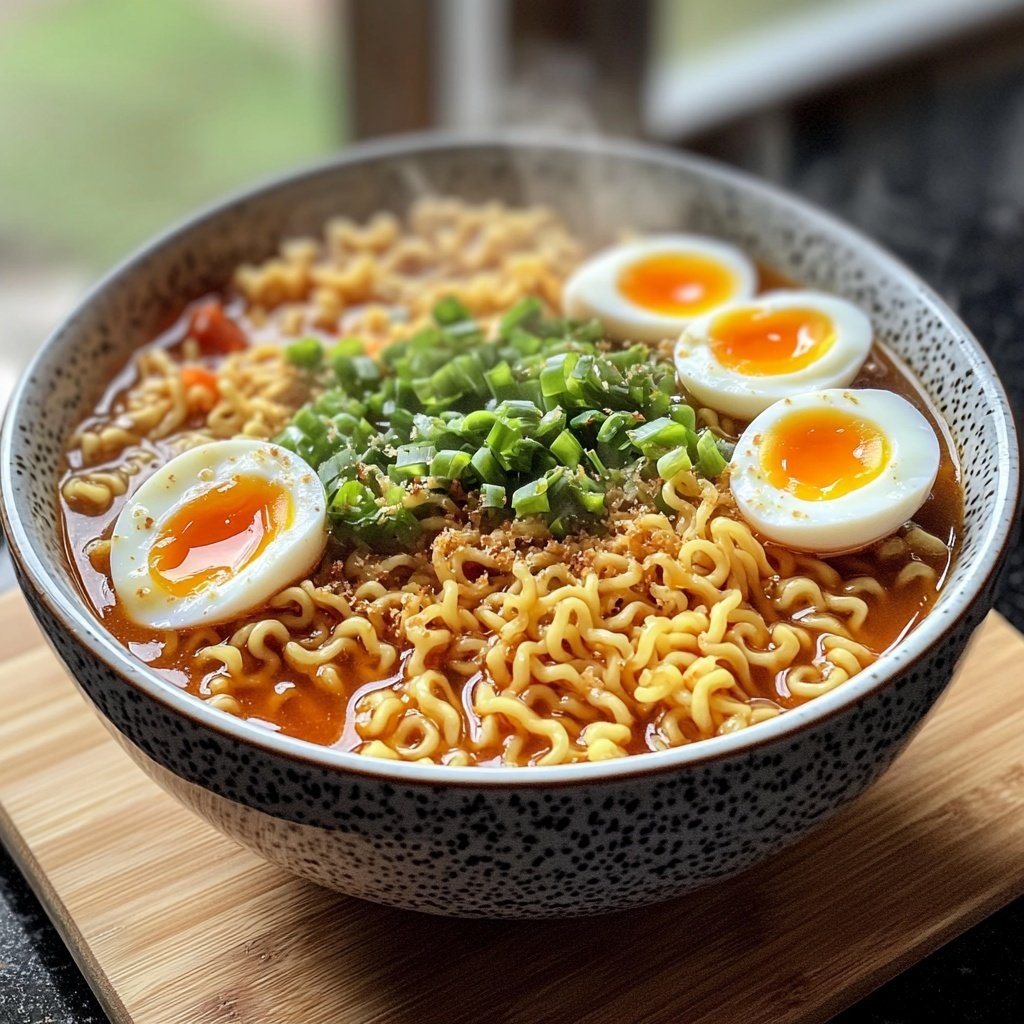
There's nothing quite like a steaming bowl of homemade ramen. This recipe combines rich broth, fresh ingredients, and a variety of toppings that elevate the dish into something truly special.
Why You'll Love This Recipe
- Rich, flavorful broth that warms the soul
- Customizable toppings to suit your taste
- Perfect for impressing friends and family
The Essence of Ramen
Ramen is more than just a meal; it's a culinary experience that has captured hearts worldwide. Originating from Japan, this noodle dish combines rich flavors, a variety of textures, and a deep cultural significance. Each bowl tells a story, reflecting regional variations and personal touches. The beauty of homemade ramen lies in its versatility, allowing you to experiment with ingredients and flavors that resonate with your palate.
At its core, ramen consists of four essential components: the broth, the noodles, the toppings, and the seasoning. Mastering these elements can transform a simple meal into a gourmet delight. The broth is the heart of ramen; it should be rich and flavorful, serving as the perfect base for the other ingredients. With this recipe, you’ll learn how to create a broth that not only warms the body but also nourishes the soul.
Choosing the Right Ingredients
When it comes to making ramen, quality ingredients make all the difference. Start with a good broth, whether it's chicken or vegetable-based. Opt for low-sodium options to control the saltiness of your dish. Fresh ingredients, like garlic and ginger, add depth to your broth, while miso paste introduces a unique umami flavor. Don't shy away from experimenting with different types of broth to discover your favorite combination.
The noodles are another crucial element. Authentic ramen noodles are typically made from wheat and have a distinctive chewy texture. Look for fresh or frozen noodles, as they provide a superior taste compared to dried varieties. If you can't find ramen noodles, you can substitute them with udon or soba noodles, but keep in mind that the texture and flavor will differ.
Topping Your Ramen
Toppings are where you can truly personalize your ramen bowl. From soft-boiled eggs to fresh vegetables, the options are endless. Soft-boiled eggs, with their creamy yolks, add richness and protein to your dish. Meanwhile, chopped green onions and sliced mushrooms provide freshness and texture, enhancing the overall eating experience. Don't forget to include nori sheets for a touch of oceanic flavor and bamboo shoots for a delightful crunch.
Feel free to get creative with your toppings! Consider adding grilled meats, tofu, or even spicy kimchi for a kick. The beauty of ramen is its adaptability; you can adjust the toppings based on what you have on hand or what you’re in the mood for. This makes homemade ramen not just a meal, but a canvas for culinary expression.
Ingredients
For the Broth
- 4 cups chicken or vegetable broth
- 2 cups water
- 2 tablespoons soy sauce
- 1 tablespoon miso paste
- 1 clove garlic, minced
- 1 inch ginger, sliced
For the Noodles
- 200g ramen noodles
Toppings
- Soft-boiled eggs
- Chopped green onions
- Sliced mushrooms
- Nori sheets
- Bamboo shoots
Gather all your ingredients and prepare for a delicious cooking adventure!
Steps
Prepare the Broth
In a large pot, combine the chicken or vegetable broth, water, soy sauce, miso paste, garlic, and ginger. Bring to a boil, then reduce heat and let simmer for 30 minutes.
Cook the Noodles
While the broth is simmering, cook the ramen noodles according to package instructions. Drain and set aside.
Assemble the Ramen
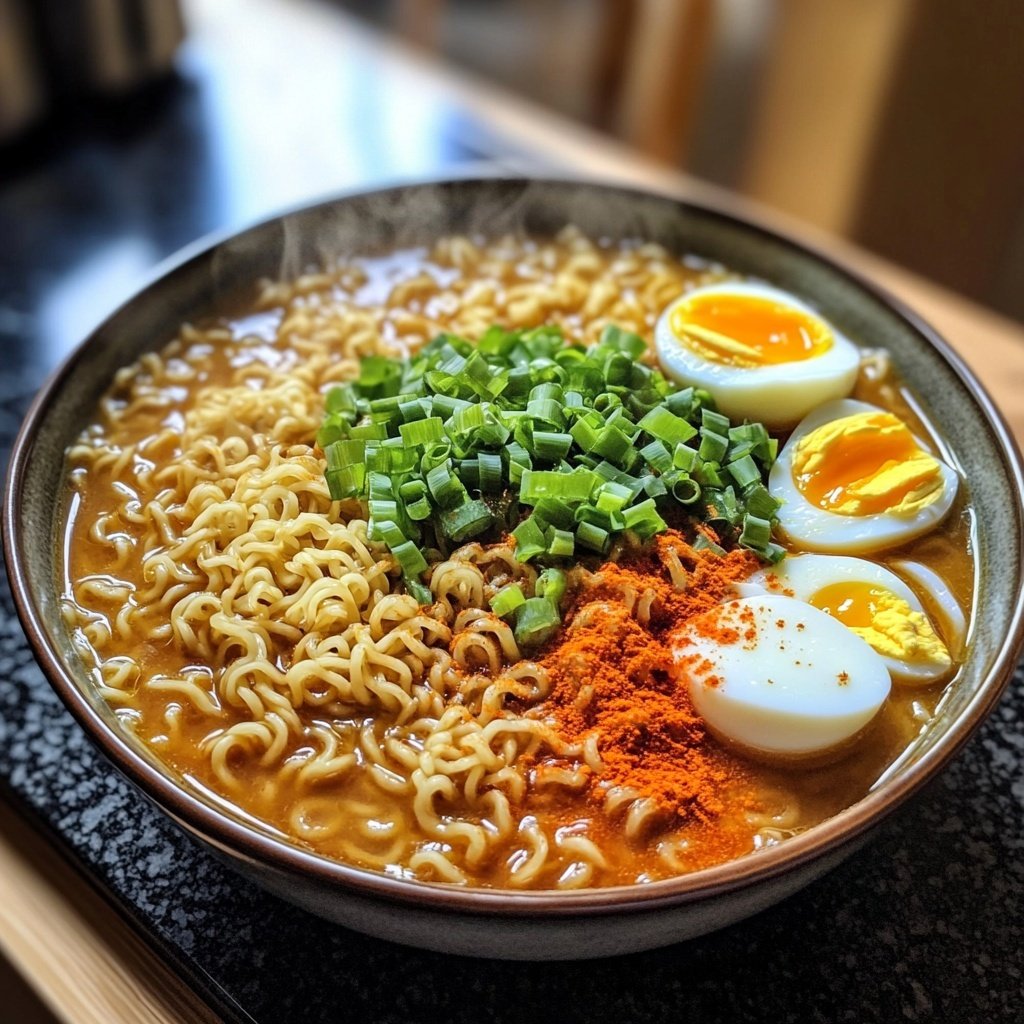
In a bowl, place a serving of noodles, ladle over the hot broth, and add your choice of toppings such as soft-boiled eggs, green onions, mushrooms, nori, and bamboo shoots.
Enjoy your homemade ramen hot and fresh!
Pro Tips
- Feel free to experiment with different toppings like corn, spinach, or chili oil for added flavor.
Storing Leftovers
If you happen to have leftover ramen, storing it properly is essential to maintain its quality. To do this, separate the broth, noodles, and toppings before refrigerating. This prevents the noodles from becoming mushy and losing their texture. Place the broth in an airtight container and the noodles in another, ensuring they are covered to avoid drying out.
When you're ready to enjoy your leftover ramen, simply reheat the broth on the stove and cook the noodles briefly in boiling water. Assemble your bowl with fresh toppings, and you’ll have a delicious meal in no time, just as satisfying as the first serving.
Variations to Try
Once you've mastered the basic ramen recipe, consider trying out different variations to keep things exciting. For instance, you can create a spicy ramen by adding chili oil or miso paste to the broth. Alternatively, a shoyu ramen with a soy sauce base offers a different flavor profile that can be equally delicious.
Vegetarians and vegans can also enjoy ramen by substituting animal-based products with plant-based alternatives. Use vegetable broth, tofu, and a variety of veggies to craft a satisfying and flavorful bowl. Experimenting with different bases and toppings can lead to delightful discoveries and a broader appreciation for this beloved dish.
Hosting a Ramen Night
Hosting a ramen night can be a fun and interactive experience for family and friends. Set up a ramen bar where guests can customize their bowls with various broths, noodles, and toppings. This not only makes the meal more enjoyable but also allows everyone to get creative with their combinations.
To elevate the experience, consider serving traditional sides such as gyoza or edamame. Pair your ramen with Japanese beverages like sake or green tea for a complete meal. With a little preparation, your ramen night will be a memorable gathering that everyone will rave about!
Questions About Recipes
→ Can I use store-bought broth?
Yes, using store-bought broth can save time, just make sure it's a good quality one!
→ How do I make the perfect soft-boiled egg?
Boil the egg for 6-7 minutes, then immediately place it in ice water to stop the cooking process.
→ Can I make this recipe vegetarian?
Absolutely! Just use vegetable broth and skip the meat toppings.
→ How long can I store leftover ramen?
You can store the broth and noodles separately in the fridge for up to 3 days.
Homemade Ramen
Created by: Callista Green
Recipe Type: Flavors of the Continents
Skill Level: Intermediate
Final Quantity: 4 servings
What You'll Need
For the Broth
- 4 cups chicken or vegetable broth
- 2 cups water
- 2 tablespoons soy sauce
- 1 tablespoon miso paste
- 1 clove garlic, minced
- 1 inch ginger, sliced
For the Noodles
- 200g ramen noodles
Toppings
- Soft-boiled eggs
- Chopped green onions
- Sliced mushrooms
- Nori sheets
- Bamboo shoots
How-To Steps
In a large pot, combine the chicken or vegetable broth, water, soy sauce, miso paste, garlic, and ginger. Bring to a boil, then reduce heat and let simmer for 30 minutes.
While the broth is simmering, cook the ramen noodles according to package instructions. Drain and set aside.
In a bowl, place a serving of noodles, ladle over the hot broth, and add your choice of toppings such as soft-boiled eggs, green onions, mushrooms, nori, and bamboo shoots.
Extra Tips
- Feel free to experiment with different toppings like corn, spinach, or chili oil for added flavor.
Nutritional Breakdown (Per Serving)
- Calories: 500 kcal
- Total Fat: 15g
- Saturated Fat: 3g
- Cholesterol: 135mg
- Sodium: 800mg
- Total Carbohydrates: 70g
- Dietary Fiber: 3g
- Sugars: 4g
- Protein: 20g